
What Is Die Casting?
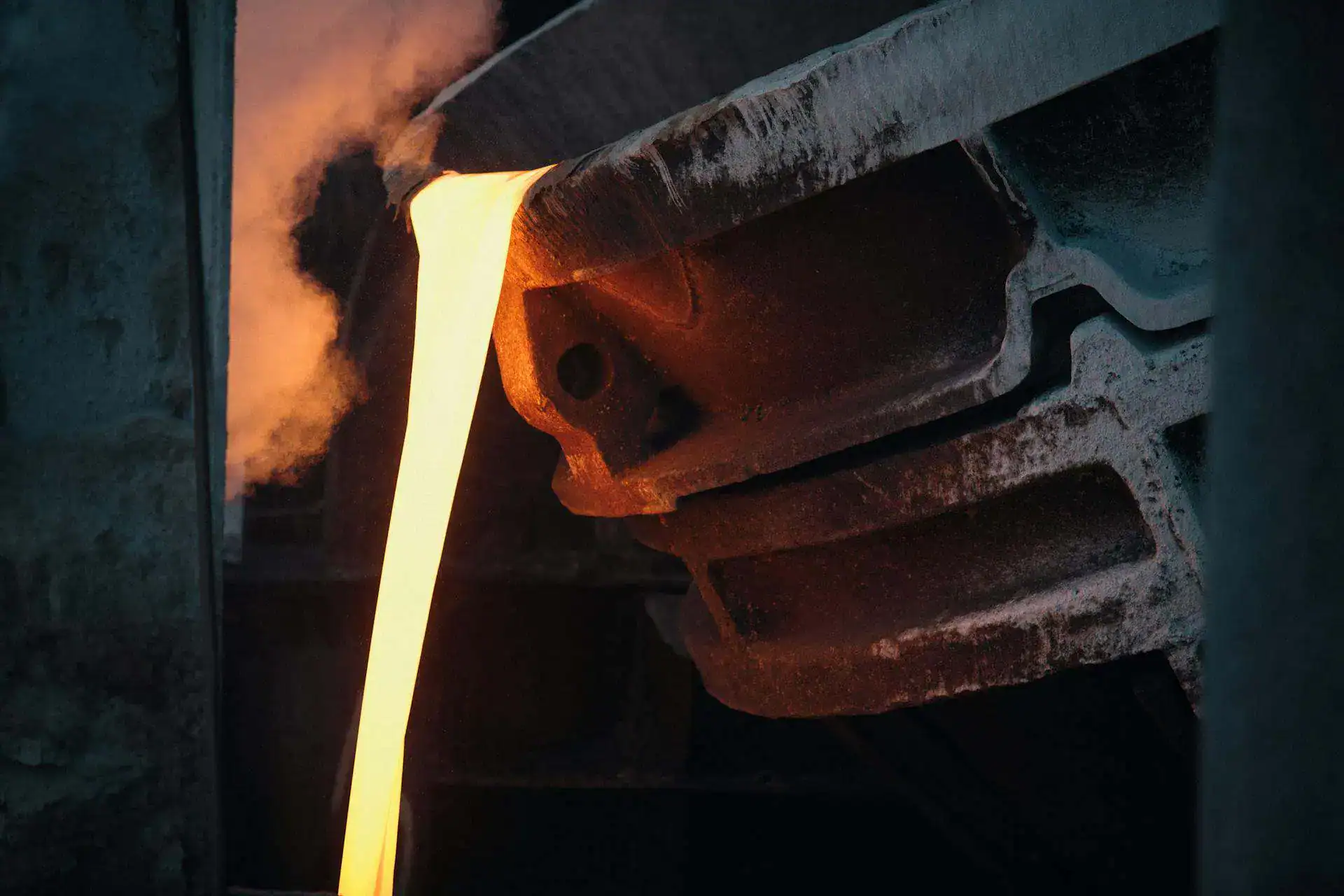
Die casting is one of the most widely used manufacturing processes for producing precise metal parts at high volume. From automotive housings to electronics enclosures, countless products rely on die cast components because the process combines speed, repeatability, and good surface finish. In simple terms, die casting is a manufacturing method in which liquid metal is injected under high pressure into a reusable steel die. Once the metal cools and solidifies, the casting is ejected and trimmed into its final form. This combination of pressure, reusable tooling, and rapid cooling is what makes die casting different from many other casting methods.
For manufacturers, the appeal of die casting lies in efficiency. The process can produce complex shapes with close tolerances, stable dimensions, and relatively little post-machining compared with many other mass-production methods. According to NADCA, die casting is especially valued for high-speed production, dimensional accuracy, thin-wall capability, and the ability to integrate multiple features into a single part. These strengths explain why die castings are used in automotive, telecommunications, power tools, hardware, and many other industries.
This article provides an overview of die casting, explaining how the process works, the materials commonly used, its main advantages, and its applications across modern manufacturing.
Die Casting Is More Than “Pouring Metal into a Mold”
How The Die Casting Works
Although die casting may look simple in diagrams, the real process is a coordinated sequence of thermal control, pressure control, and tooling precision.
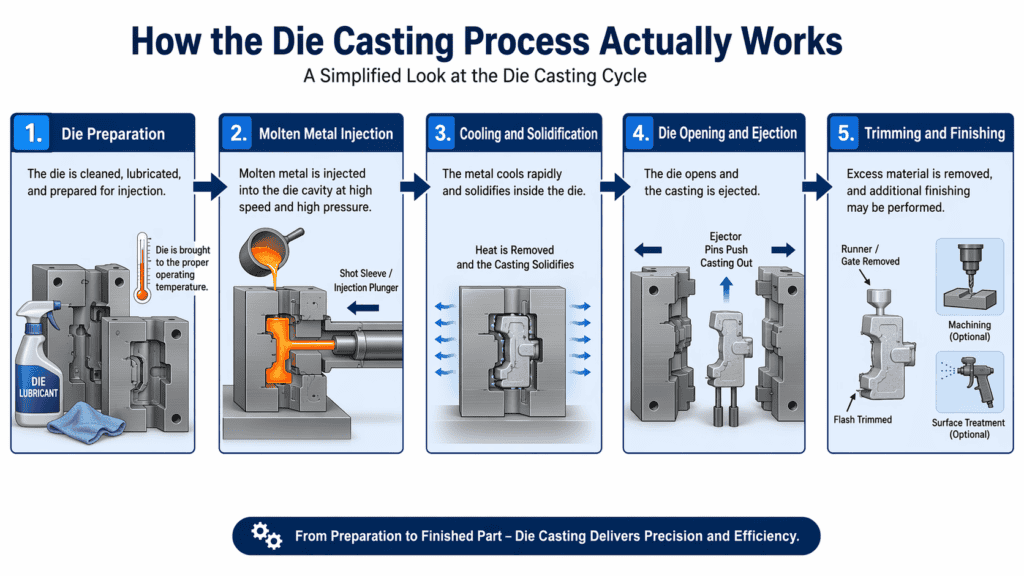
The cycle begins with die preparation. The mold must be cleaned, lubricated, and brought to the right operating condition before injection begins. This is more important than many people realize, because stable die temperature affects filling behavior, solidification, and final part quality.
Next, molten metal is introduced into the system and injected into the die cavity at high speed and high pressure. The pressure is what allows the metal to fill detailed geometries quickly before it begins to solidify. Once the cavity is filled, the metal cools inside the die and takes on the final shape of the part.
After solidification, the die opens and the casting is ejected. At this stage, the part is usually close to its final form, but it may still include excess material such as runners, gates, or flash. These are removed in trimming or follow-up finishing steps. Depending on the project, additional operations such as machining, surface treatment, tapping, or assembly may follow.
That entire cycle can be repeated rapidly, which is why the die casting process is so well suited to high-volume production.
Die Casting Materials Matter More Than Most Buyers Expect
A die casting project is never only about shape. Material choice has a major influence on performance, appearance, cost, and manufacturability. The most common die casting materials are non-ferrous alloys, especially aluminum, zinc, and magnesium.
Aluminum die casting is widely used because aluminum offers a strong combination of light weight, corrosion resistance, and mechanical performance. It is often selected for automotive housings, structural brackets, electronic enclosures, and parts where weight reduction matters.
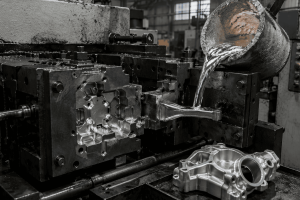
Zinc die casting is a different kind of strength. Zinc is well suited to parts that require fine detail, tight tolerances, and smooth surfaces. It is often used for smaller precision components, decorative hardware, connectors, and consumer product parts. Compared with aluminum, zinc can be especially effective when the part geometry is intricate and the surface quality requirement is high.
Magnesium die casting is attractive in applications where minimizing weight is critical. Although it is not used in every project, it can be valuable in sectors where lightweight metal components support higher performance.
The right alloy is never chosen in isolation. It depends on the part’s size, structure, required strength, finishing needs, environmental exposure, and budget target. That is why experienced suppliers do not recommend die casting materials based only on price. They evaluate the whole application.
Hot Chamber Vs Cold Chamber: A Practical Difference
One of the most important distinctions in die casting is the difference between hot chamber and cold chamber systems. This is not just a technical detail. It affects production speed, material compatibility, and process suitability.
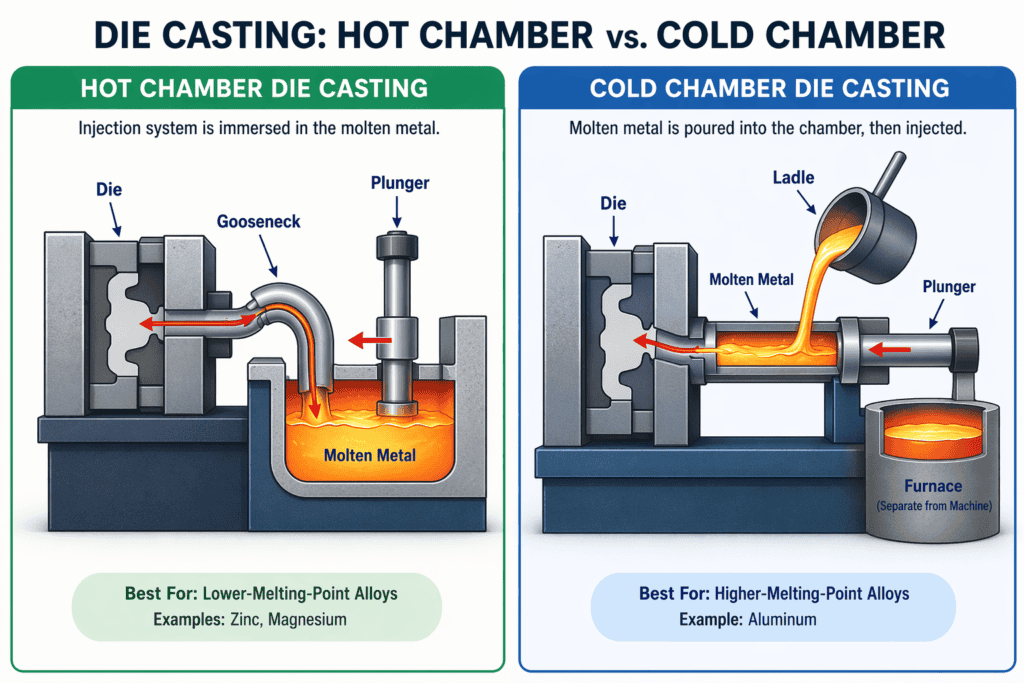
In hot chamber die casting, the injection mechanism is integrated more directly with the molten metal supply. This allows faster cycling and makes the process efficient for lower-melting-point alloys such as zinc. When production speed is a priority and the alloy is compatible, hot chamber die casting can be a very effective solution.
In cold chamber die casting, the molten metal is prepared separately and then transferred into the injection system for each cycle. This process is typically used for alloys such as aluminum that are not suited to the hot chamber setup. The cycle may be somewhat slower, but cold chamber die casting is essential for many structural and industrial aluminum components.
For buyers, the simplest way to understand the difference is this: hot chamber is usually associated with speed and lower-melting alloys, while cold chamber is more common for aluminum and other materials used in larger or more demanding parts.
Where Die Casting Works Best
Die casting performs best when a project needs all of the following at the same time: repeatability, medium- to high-volume output, relatively complex geometry, and good overall efficiency once production is underway.
That combination is why die casting is common in automotive manufacturing. Modern vehicles use large numbers of die casting components that must be consistent, lightweight, and economical to produce at scale. Electronics manufacturing is another strong example. Enclosures, frames, connectors, and structural supports often require controlled geometry and stable production quality, both of which fit the strengths of die casting.
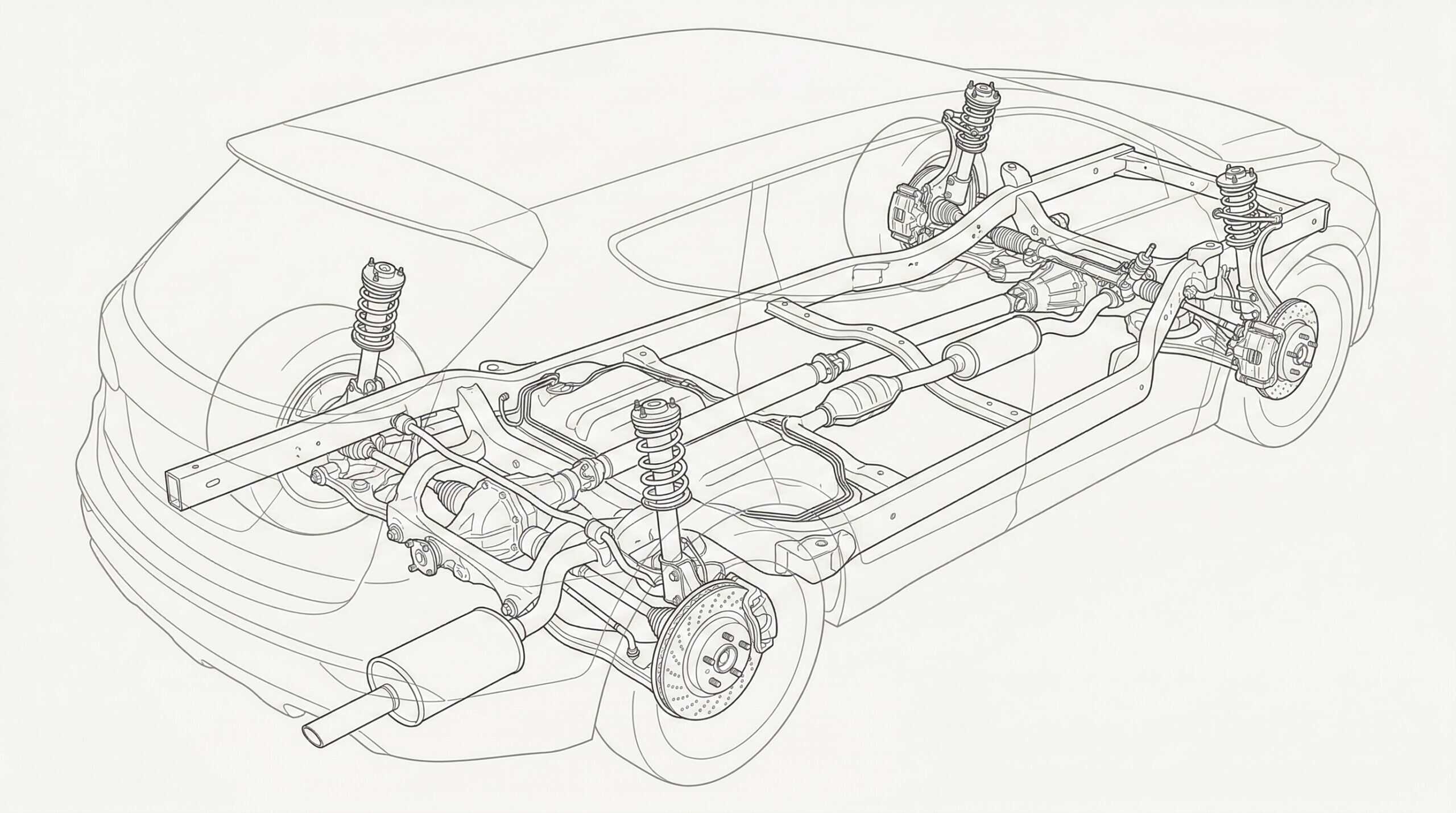
But good applications are not limited to those industries. Lighting components, appliance parts, communication devices, industrial equipment housings, and many forms of hardware also rely on die casting. The process is versatile, but not universal.
There are situations where die casting may not be the best choice. If production volume is low, the tooling investment may be difficult to justify. If the part is extremely large, very simple, or subject to requirements that favor another forming method, a different process may be more practical. Good manufacturing decisions are rarely about finding the “best” process in general. They are about finding the best process for a specific job.
Conclusion
What is die casting? It is a high-efficiency metal forming process built for repeatable production. By injecting molten metal into reusable steel dies under pressure, manufacturers can produce precise parts in large volumes with strong consistency and good overall efficiency. But the real value of die casting is not just in the machine cycle. It lies in the way the process connects design, tooling, material, and production into one scalable manufacturing solution.
For some products, die casting is exactly the right choice. For others, it is not. The key is understanding when the process fits the product, the quantity, and the quality target. That is why die casting continues to matter. It is not simply a traditional casting method that survived into modern industry. It is a process that still makes practical sense wherever production demands precision, stability, and scale.
What Can Our Firm Offer To You?
We, Kaitao Tech, are a company devoted to manufacturing industry for over 25 years. We are rooted in the midstream of the global industrial chain, having cooperated with wide ranges of industries in the world, including automotive industry, optical instruments industry and consumer electronics industry. Equipped with advanced die casting machines, we have the ability to provide you with a wide range of die casting services, including aluminum die casting and magnesium die casting. We will serve each customer with our best quality and we are glad to bring you with the benefits of economic globalization. Hope we can cooperate with you, offering you the most excellent experience.